What Is an Employee Benefits Platform — and Do You Need One?
A plain-language guide to employee benefits platforms — what they do, what problem they solve, and when a company is ready to move beyond the PDF-and-vendor-portal mess.
If you manage a team of any size, you have probably dealt with some version of this: a PDF of benefit options nobody reads, a reminder email HR sends every quarter that still gets ignored, and a vague sense that the money spent on perks is not really landing.
An employee benefits platform is supposed to fix that. But the term gets used for everything from payroll software to gym voucher portals, which makes it hard to know what you are actually looking for.
This guide explains what an employee benefits platform is, what it actually does, and how to tell whether your company is ready for one.
What is an employee benefits platform?
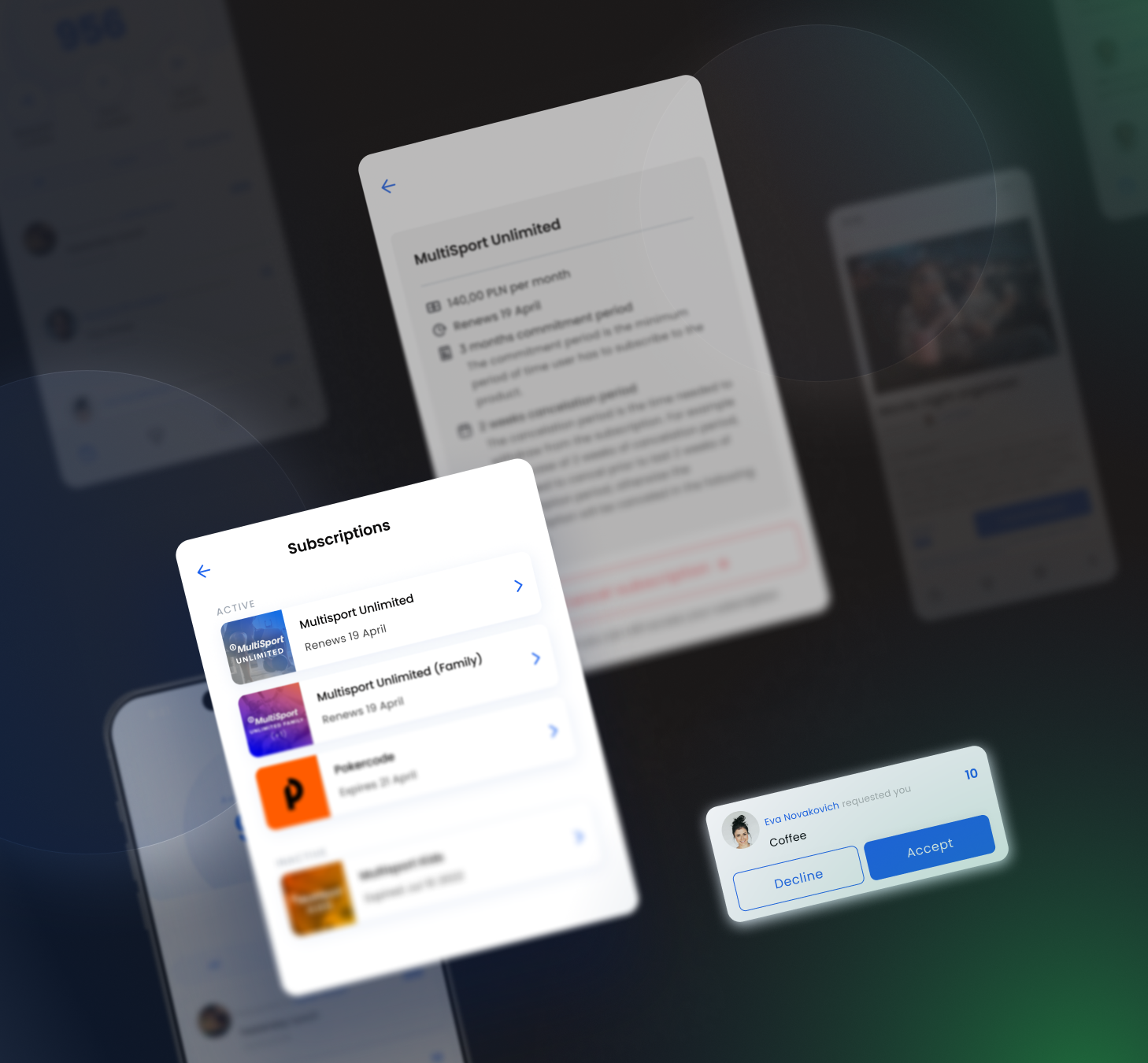
An employee benefits platform is software that companies use to manage, distribute, and track the perks and benefits they offer to their teams. Instead of managing each benefit separately — through vendor portals, invoices, and HR email threads — a benefits platform brings everything into one place.
At the basic level, a benefits platform should do three things:
- Give employees visibility into what they have.
- Make it easy for employees to use their benefits without friction.
- Give admins control over what gets offered, to whom, and when.
What problem does a benefits platform actually solve?
The real problem is not that companies do not offer benefits. Most companies do. The problem is that the benefits are invisible.
Here is what the typical setup looks like without a platform:
- A PDF that lives in a Google Drive folder nobody can find.
- A list of vendor portals, each with a different login.
- HR fielding the same questions every quarter.
- Finance processing 8 to 15 separate invoices every month.
- Zero data on whether any of it is being used.
When there is a visible credit balance, a simple marketplace, and credits that arrive automatically every month, usage goes up. Not because the benefits changed — because the experience did.
What types of employee benefits platforms exist?
Not all platforms work the same way. The main models are subscription-based, credit-based, reimbursement, and voucher/discount platforms.
Subscription-based — you pay a monthly fee per employee whether they use the platform or not. Common, but cost keeps running even during low-engagement periods.
Credit-based — the company buys a bundle of credits and allocates them to employees. No subscription fee. You only spend when you allocate. Employees see a visible balance and spend it in a marketplace.
Reimbursement — employees pay upfront and submit receipts. High friction on both sides. Usage tends to be low.
Voucher and discount — employees get access to discounts but are still paying from their own pocket. A perk, not a benefit.
When does a company actually need one?
You probably do not need a full benefits platform if your team is fewer than 10 people. At that size, informal gestures go further than any software.
Once you cross 15 to 20 people, the informal approach starts to break down. Here are the signals:
- HR is spending meaningful time every month on benefit admin and invoices.
- You have more than 3 or 4 separate benefit vendors.
- You cannot answer: what percentage of employees are actively using their benefits?
- New hires are handed a PDF and left to figure it out.
- You have tried to recognize great work and found the process too slow.
Credit-based vs. subscription-based — the honest comparison
Subscription model: you pay a per-employee monthly fee regardless of engagement. The total cost is predictable but always running — even when nobody is using the platform.
Credit model: you buy a bundle of credits, set allocation rules, and credits arrive in employee accounts automatically. No monthly platform fee. Finance gets one invoice for the credit bundle.
The key question is: do you want to pay for access to a platform, or do you want to pay for benefits your employees actually use?
What to look for when evaluating a benefits platform
- Employee visibility — can employees see their balance without logging into a separate portal?
- Admin control — can you set rules, adjust allocations, and see usage data without IT support?
- Marketplace quality — are the benefit categories things employees actually want?
- Pricing model — understand the full cost. Subscription fees stack up fast.
- Recognition features — does the platform support peer recognition, or only top-down delivery?
The short version
An employee benefits platform is the difference between benefits that exist on paper and benefits employees actually use. The platform is not the point — the visibility and the experience are the point.
If your current setup involves multiple invoices, low employee engagement, and no usage data — a credit-based benefits platform is worth a serious look.
Frequently asked questions
HR software (HRIS) manages employee data, payroll, leave, and performance. A benefits platform manages what employees can spend their benefit budget on. Most companies use both as separate tools.
It makes sense from around 15 to 20 employees. Credit-based platforms are well-suited to small businesses — no subscription fees, you only spend what you allocate.
A credit-based platform with no subscription fee. You buy a credit bundle, set allocation amounts, and employees spend credits in a marketplace. No per-vendor contracts, no recurring fees, no charge for unused benefits.
Ready to simplify employee benefits?
One credit system. Every benefit use case covered.
No subscription — buy credits and allocate them.